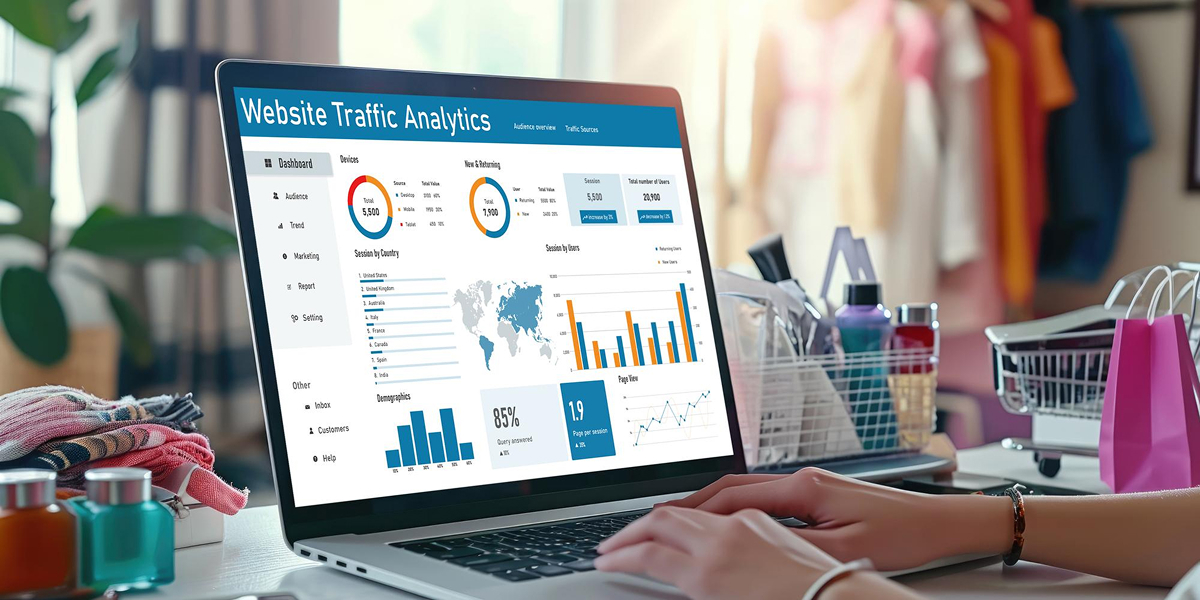
Customer journey analytics platforms have emerged as essential tools for organizations seeking to understand and optimize the complete buyer experience. These platforms allow businesses to track interactions across multiple touchpoints, identify trends in customer behavior, and gain actionable insights that inform strategic decisions. By leveraging customer journey analytics, companies can enhance engagement, improve conversion rates, and ultimately drive revenue growth.
The importance of customer journey analytics platforms lies in their ability to provide a holistic view of the customer experience. Modern buyers interact with brands through numerous channels, including websites, social media, email campaigns, in-store visits, and customer service interactions. Without an integrated analytics platform, businesses often struggle to connect these touchpoints and understand the full journey, leading to fragmented experiences and missed opportunities. Customer journey analytics platforms consolidate data from various sources to create a unified view, enabling companies to deliver more personalized and effective experiences.
Moreover, customer journey analytics platforms empower organizations to identify pain points and optimize processes across the buyer lifecycle. By analyzing customer behavior at each stage—from awareness and consideration to purchase and post-purchase engagement—businesses can tailor their marketing, sales, and service strategies for maximum impact. These insights not only enhance customer satisfaction but also improve operational efficiency, reduce churn, and foster long-term loyalty.
Understanding Customer Journey Analytics Platforms
Customer journey analytics platforms are specialized software solutions designed to capture, analyze, and visualize the complete lifecycle of customer interactions. These platforms integrate data from multiple sources, including CRM systems, marketing automation tools, website analytics, social media, and offline channels, to provide a comprehensive view of the buyer journey.
The primary goal of these platforms is to help organizations understand how customers move through the sales funnel, identify influential touchpoints, and uncover patterns that impact engagement and conversion. Core functionalities often include journey mapping, behavior analysis, predictive analytics, segmentation, and reporting dashboards. By providing actionable insights, these platforms enable organizations to optimize strategies, allocate resources more effectively, and enhance overall customer experience.
Key Benefits of Customer Journey Analytics Platforms
Implementing customer journey analytics platforms offers numerous advantages that drive business performance:
- Holistic Customer Understanding: Gain a complete view of the customer journey across all channels and touchpoints.
- Personalized Experiences: Tailor messaging, offers, and interactions based on individual behaviors and preferences.
- Improved Marketing ROI: Identify high-impact touchpoints and optimize marketing spend for maximum effectiveness.
- Reduced Customer Churn: Detect pain points and friction in the journey to improve retention and satisfaction.
- Data-Driven Decision Making: Use analytics to guide strategic decisions in marketing, sales, and customer service.
- Enhanced Cross-Department Collaboration: Enable marketing, sales, and support teams to align strategies around a unified understanding of the customer.
These benefits demonstrate why organizations that adopt customer journey analytics platforms are better equipped to meet customer expectations and outperform competitors.
Core Features to Look For
When selecting a customer journey analytics platform, it is important to prioritize features that provide actionable insights and support strategic goals:
- Journey Mapping: Visual representation of the entire customer journey across multiple touchpoints.
- Multi-Channel Integration: Aggregates data from online and offline sources, including web, email, social, and in-store interactions.
- Behavioral Analytics: Tracks actions and patterns to understand customer decision-making and engagement.
- Segmentation Capabilities: Allows analysis by demographics, behavior, purchase history, or other relevant criteria.
- Predictive Analytics: Anticipates future behaviors, identifies high-value customers, and suggests optimal next steps.
- Real-Time Reporting and Dashboards: Provides instant visibility into customer interactions and key metrics.
- Attribution Analysis: Determines which channels and touchpoints contribute most to conversions and revenue.
Platforms with these features provide marketers, sales teams, and customer experience managers with the tools needed to make data-driven decisions and optimize the customer journey effectively.
Impact on Business Strategy
The adoption of customer journey analytics platforms has a profound impact on overall business strategy. Organizations that leverage these platforms can align marketing, sales, and service efforts to create a seamless and engaging experience for customers.
For example, journey analytics can reveal where prospects drop off during the sales process, enabling teams to implement targeted interventions that increase conversions. Similarly, insights into post-purchase behavior can help improve customer support processes, enhance retention, and encourage repeat business. By providing a complete view of the customer lifecycle, these platforms allow organizations to prioritize initiatives that drive measurable outcomes and sustainable growth.
Challenges in Implementing Customer Journey Analytics Platforms
Despite their benefits, implementing customer journey analytics platforms presents several challenges that organizations must address:
- Data Integration Complexity: Combining data from disparate systems, such as CRM, marketing automation, and e-commerce platforms, can be technically challenging.
- Data Quality Issues: Incomplete, inconsistent, or inaccurate data can compromise insights and decision-making.
- User Adoption: Teams may resist adopting new analytics platforms due to unfamiliarity, training gaps, or perceived complexity.
- Resource Requirements: Effective implementation may require dedicated technical and analytical expertise.
- Privacy and Compliance Concerns: Handling sensitive customer data requires adherence to data protection regulations and ethical standards.
Addressing these challenges involves careful planning, robust data governance, and comprehensive user training to ensure successful adoption and effective utilization of the platform.
Best Practices for Using Customer Journey Analytics Platforms

To maximize the value of customer journey analytics platforms, organizations should adopt best practices throughout implementation and ongoing usage:
- Define Clear Objectives: Establish specific goals for tracking, measuring, and optimizing the customer journey.
- Ensure Data Accuracy: Regularly validate, clean, and standardize data to ensure reliability.
- Integrate Across Channels: Connect analytics with CRM, marketing, sales, and service platforms for a unified view.
- Customize Dashboards and Reports: Tailor visualizations to highlight key metrics and actionable insights for stakeholders.
- Promote User Adoption: Offer training and support to ensure teams understand how to leverage the platform effectively.
- Continuously Optimize: Use insights to refine campaigns, improve engagement, and enhance customer experiences over time.
These practices ensure that journey analytics platforms deliver meaningful results and support continuous improvement in customer experience and business performance.
Balancing Automation and Human Insight
While customer journey analytics platforms provide powerful automated insights, human expertise remains essential for interpreting data and applying insights strategically. Analytics platforms can identify trends, predict behaviors, and highlight high-impact touchpoints, but human decision-making is crucial for contextualizing findings and designing interventions that resonate with customers.
Striking the right balance between automation and human insight ensures that organizations leverage technology effectively without losing the nuance and creativity required to craft engaging and personalized customer experiences.
Industry Applications
Customer journey analytics platforms are relevant across diverse industries, each benefiting from tailored insights:
- Retail and E-Commerce: Tracking online and in-store behaviors to optimize marketing campaigns, promotions, and loyalty programs.
- Financial Services: Understanding client interactions across digital banking, in-person advisory, and customer service channels.
- Healthcare and Pharmaceuticals: Analyzing patient journeys to enhance care delivery, educational outreach, and engagement initiatives.
- Technology and SaaS: Monitoring onboarding, product usage, and support interactions to reduce churn and drive adoption.
- Travel and Hospitality: Optimizing booking experiences, personalized offers, and customer satisfaction across multiple touchpoints.
These examples illustrate the versatility of journey analytics platforms and their ability to support strategy and decision-making across industries.
Measuring ROI of Customer Journey Analytics Platforms
To justify investment in customer journey analytics platforms, organizations should measure ROI through key performance indicators (KPIs) such as:
- Conversion Rates: Improvements in lead-to-customer conversion across the funnel.
- Customer Retention: Reduction in churn and improved repeat purchase behavior.
- Engagement Metrics: Increased interactions across digital channels and touchpoints.
- Operational Efficiency: Streamlined processes resulting from insights into bottlenecks or friction points.
- Marketing and Sales Alignment: Better coordination and measurable impact of joint initiatives.
Regularly tracking these metrics ensures that organizations can demonstrate the tangible benefits of journey analytics and make informed decisions regarding further investments.
Future Trends in Customer Journey Analytics
The future of customer journey analytics platforms is closely linked to technological advancements and evolving customer expectations. Emerging trends include:
- AI and Machine Learning: Enhanced predictive analytics and automated insights to anticipate customer behavior and recommend next-best actions.
- Real-Time Analytics: Instant visibility into customer interactions to optimize engagement dynamically.
- Omnichannel Integration: Seamless tracking across digital, physical, and hybrid touchpoints for a comprehensive journey view.
- Hyper-Personalization: Delivering individualized experiences based on behavior, preferences, and contextual data.
- Privacy-First Analytics: Balancing personalization with compliance to data protection regulations such as GDPR and CCPA.
These trends indicate that customer journey analytics platforms will continue to evolve, providing deeper insights, better predictive capabilities, and more personalized engagement strategies.
Conclusion
In conclusion, customer journey analytics platforms are indispensable tools for organizations seeking to understand, optimize, and enhance the buyer experience. By consolidating data across touchpoints, providing actionable insights, and enabling predictive decision-making, these platforms empower businesses to deliver personalized, seamless, and engaging customer experiences.
While challenges such as data integration, quality, and user adoption exist, adopting best practices, balancing automated insights with human expertise, and continuously optimizing strategies ensures that journey analytics platforms deliver tangible business value. Companies that strategically implement and leverage customer journey analytics platforms can improve engagement, drive conversions, reduce churn, and achieve long-term growth.
Investing in these platforms is not just about tracking interactions—it is about transforming customer experience into a measurable, actionable, and strategically managed process that contributes directly to business success and competitive advantage.