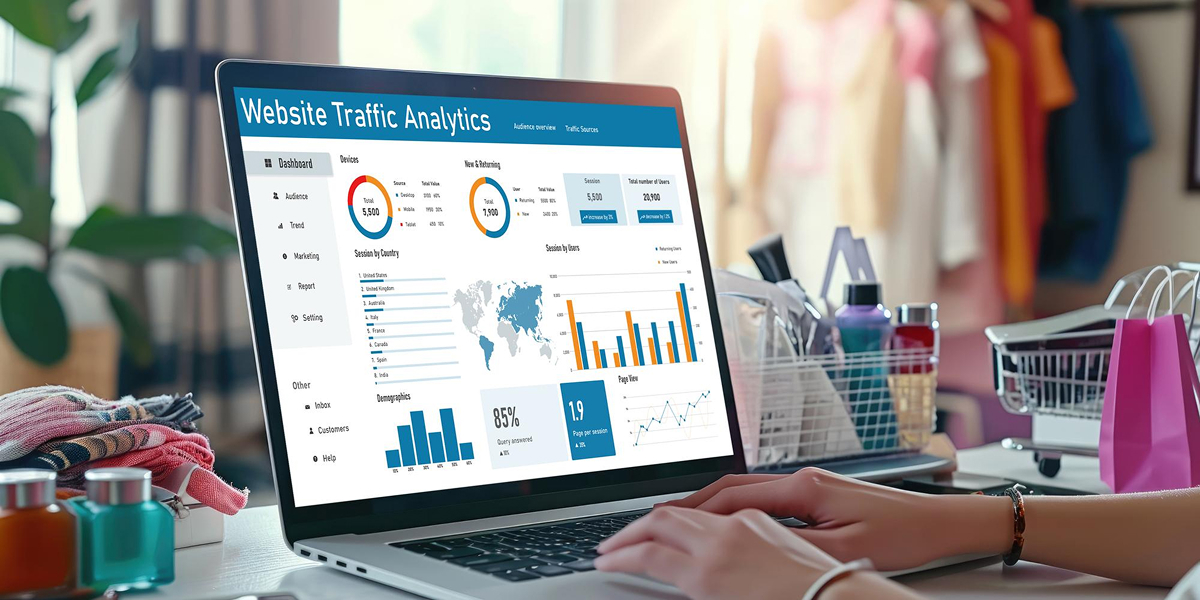
Predictive analytics in marketing has become a cornerstone for organizations aiming to optimize customer engagement, enhance targeting accuracy, and maximize return on investment. By leveraging historical data, behavioral patterns, and advanced algorithms, businesses can anticipate customer actions, predict market trends, and make data-driven decisions that improve overall marketing effectiveness.
The importance of predictive analytics in marketing cannot be overstated. Traditional marketing strategies often rely on reactive approaches, waiting to see how customers respond before adjusting campaigns. In contrast, predictive analytics allows marketers to be proactive, forecasting future behaviors such as purchase likelihood, churn risk, and campaign responsiveness. This capability enables organizations to allocate resources more efficiently, craft personalized marketing messages, and ultimately drive higher conversion rates.
Moreover, predictive analytics in marketing empowers businesses to enhance customer experiences by delivering relevant content and offers at the right time. By analyzing patterns in customer interactions across multiple channels—including social media, email, websites, and in-store visits—predictive models identify opportunities to engage prospects effectively. This proactive engagement not only improves customer satisfaction but also strengthens loyalty and drives long-term growth.
Understanding Predictive Analytics in Marketing
Predictive analytics in marketing refers to the use of statistical models, machine learning algorithms, and historical data to forecast future customer behavior and business outcomes. These models analyze patterns in data from multiple sources to identify trends, predict responses to marketing initiatives, and provide actionable insights.
The primary goal of predictive analytics is to transform raw data into forward-looking intelligence that guides decision-making. By anticipating customer needs and preferences, marketers can optimize campaign strategies, refine messaging, and improve targeting precision. Predictive analytics also helps organizations segment audiences, prioritize high-value prospects, and allocate resources to campaigns that offer the greatest return on investment.
Key Benefits of Predictive Analytics in Marketing
Implementing predictive analytics in marketing offers a wide range of benefits for businesses seeking to enhance performance and customer engagement:
- Improved Targeting Accuracy: Predictive models identify customers most likely to respond to specific campaigns, reducing wasted spend.
- Enhanced Personalization: Insights from predictive analytics enable marketers to deliver tailored messages and offers based on individual behavior.
- Optimized Marketing Spend: By focusing resources on high-potential prospects, organizations can maximize ROI and reduce inefficient spending.
- Reduced Customer Churn: Predictive analytics identifies at-risk customers, allowing proactive interventions to retain them.
- Data-Driven Decision Making: Provides a foundation for strategic marketing decisions backed by empirical evidence.
- Increased Conversion Rates: By anticipating customer behavior, marketers can time their campaigns and offers for maximum effectiveness.
These benefits highlight why predictive analytics has become an indispensable tool for marketers who want to move beyond intuition and adopt evidence-based strategies.
Core Features of Predictive Analytics Platforms
When selecting a platform for predictive analytics in marketing, several features are critical to ensure actionable insights and meaningful outcomes:
- Data Integration: Aggregates data from CRM, marketing automation, social media, email, web analytics, and other sources.
- Predictive Modeling: Uses machine learning algorithms to forecast customer behavior, sales, and campaign performance.
- Segmentation and Targeting: Identifies high-value customer segments and prioritizes them for campaigns.
- Customer Lifetime Value (CLV) Prediction: Estimates the long-term value of individual customers to guide marketing investment.
- Churn Prediction: Detects patterns indicating potential customer attrition, enabling preemptive retention strategies.
- Campaign Optimization Recommendations: Suggests the most effective content, timing, and channel for engagement.
- Reporting and Visualization: Provides intuitive dashboards and reports to track predictive insights and outcomes.
These features ensure that predictive analytics platforms deliver actionable intelligence, improve marketing performance, and support strategic decision-making.
The Role of Data in Predictive Analytics
Data is the foundation of predictive analytics in marketing. High-quality, relevant, and comprehensive datasets are essential for building accurate predictive models. Sources of data include:
- Customer Transaction Data: Purchase history, frequency, and order value.
- Behavioral Data: Website interactions, email clicks, content consumption, and social media engagement.
- Demographic Data: Age, location, gender, occupation, and other relevant attributes.
- CRM and Customer Service Data: Support tickets, inquiries, and feedback.
- Third-Party Data: Market trends, industry benchmarks, and consumer insights.
The quality and completeness of data directly affect the accuracy of predictive models. Ensuring clean, standardized, and well-integrated datasets is essential for reliable predictions and actionable insights.
Applications of Predictive Analytics in Marketing

Predictive analytics in marketing has diverse applications that span the entire customer lifecycle:
- Lead Scoring: Evaluates which prospects are most likely to convert, enabling sales teams to prioritize efforts effectively.
- Customer Segmentation: Identifies distinct audience groups and tailors marketing messages to each segment.
- Churn Prevention: Detects early signs of attrition and triggers retention strategies.
- Cross-Selling and Upselling: Predicts which products or services a customer is likely to purchase next.
- Campaign Optimization: Forecasts campaign outcomes to improve targeting, messaging, and timing.
- Content Personalization: Recommends content or offers most likely to engage individual customers.
By applying predictive analytics across these areas, businesses can improve efficiency, increase customer satisfaction, and maximize marketing ROI.
Challenges in Implementing Predictive Analytics
Despite its potential, implementing predictive analytics in marketing comes with challenges:
- Data Quality and Integration: Inaccurate or fragmented data can lead to unreliable predictions.
- Complexity of Models: Advanced algorithms require expertise to implement, interpret, and maintain.
- User Adoption: Teams may resist new technology or struggle to trust model-driven recommendations.
- Privacy and Compliance: Predictive analytics involves handling sensitive customer data, requiring adherence to regulations such as GDPR and CCPA.
- Cost and Resource Requirements: Implementation may require investment in technology, skilled personnel, and ongoing maintenance.
Addressing these challenges involves careful planning, proper data governance, user training, and selecting platforms that balance complexity with usability.
Best Practices for Effective Predictive Analytics
To maximize the effectiveness of predictive analytics in marketing, organizations should follow best practices:
- Define Clear Objectives: Establish specific goals for predictive modeling, such as improving lead conversion or reducing churn.
- Ensure Data Quality: Clean, integrate, and standardize data to improve model accuracy.
- Start Small and Scale: Begin with pilot projects to demonstrate value and refine models before full-scale implementation.
- Align with Business Strategy: Ensure predictive insights are actionable and support organizational goals.
- Regularly Monitor and Update Models: Keep predictive models current with changing market trends and customer behavior.
- Foster Collaboration: Encourage collaboration between marketing, sales, and analytics teams for better adoption and results.
Following these best practices ensures predictive analytics delivers meaningful, actionable insights and supports sustainable marketing success.
Measuring Success with Predictive Analytics
The effectiveness of predictive analytics in marketing can be measured using several key performance indicators (KPIs):
- Conversion Rate Improvement: Increase in leads converted to customers.
- Customer Retention Rate: Reduction in churn and improved loyalty.
- Campaign ROI: Return on investment for marketing campaigns based on predictive targeting.
- Customer Lifetime Value: Increased value derived from high-potential customers.
- Engagement Metrics: Higher click-through rates, content interactions, and overall engagement.
- Operational Efficiency: Streamlined marketing processes and reduced resource wastage.
Regular measurement and analysis of these KPIs provide feedback on the effectiveness of predictive models and help refine strategies for better outcomes.
Future Trends in Predictive Analytics
The future of predictive analytics in marketing is shaped by emerging technologies and evolving customer expectations:
- Artificial Intelligence and Machine Learning: More advanced algorithms provide deeper insights, improved accuracy, and automated recommendations.
- Real-Time Predictive Analytics: Enables immediate optimization of campaigns based on current behavior.
- Omnichannel Integration: Connects insights across online, offline, and hybrid customer interactions for a unified view.
- Hyper-Personalization: Uses predictive models to deliver individualized experiences at scale.
- Explainable AI: Ensures transparency in predictive models, allowing marketers to trust and act on recommendations confidently.
These trends indicate that predictive analytics will continue to transform marketing, enabling organizations to anticipate customer needs, optimize strategies, and enhance performance.
Conclusion
In conclusion, predictive analytics in marketing is a powerful tool that allows organizations to anticipate customer behavior, optimize campaigns, and improve ROI. By leveraging historical data, machine learning models, and behavioral insights, marketers can make proactive, data-driven decisions that drive engagement, conversions, and long-term customer loyalty.
While challenges such as data quality, integration, and adoption exist, applying best practices ensures predictive analytics delivers actionable insights that enhance marketing effectiveness. Businesses that strategically implement predictive analytics are better equipped to understand customer behavior, optimize targeting, and maintain a competitive advantage in an increasingly data-driven world.
Investing in predictive analytics is not simply about technology—it is about transforming marketing operations into a measurable, strategic, and highly effective function that contributes directly to business growth and sustained success.