
Blockchain in business solutions has emerged as one of the most influential innovations driving organizational advancement. As enterprises navigate increasing demands for transparency, security, and operational efficiency, blockchain stands out as a foundational technology with the potential to reshape traditional workflows. The concept originated in cryptocurrency, but the application of blockchain in business solutions now extends far beyond digital assets.
The second paragraph of this article continues to highlight the significance of blockchain in business solutions, emphasizing its growing relevance across industries. From supply chain logistics to financial services, blockchain’s ability to create immutable and distributed records offers businesses new tools to solve long-standing problems. As business ecosystems become more interconnected, the demand for solutions that ensure trust and data integrity grows even stronger.
In the third paragraph, we further explore how organizations are strategically implementing blockchain in business solutions to gain competitive advantages. The technology supports seamless collaboration, reduces reliance on intermediaries, and enhances data verification processes. As regulatory environments continue to evolve and global markets expand, companies are increasingly turning to blockchain to secure their operations and improve stakeholder confidence.
Understanding the Core of Blockchain Technology
Blockchain functions as a decentralized digital ledger that records transactions across multiple computers. Unlike traditional systems where a central authority controls data, blockchain distributes information across a network, ensuring transparency and reducing vulnerabilities. Each transaction is stored in a block, and once added, the block becomes part of an irreversible chain. This immutability is one of the strongest reasons businesses trust blockchain-based solutions.
Key features such as transparency, decentralization, cryptographic security, and consensus mechanisms enable blockchain to deliver value that traditional systems cannot match. These attributes are particularly important for industries handling sensitive data or operating in multi-party environments where trust is crucial.
Why Businesses Are Turning to Blockchain Solutions
Adoption of blockchain in business operations is rising because it addresses several persistent challenges. Many industries deal with fragmented processes, limited visibility, and vulnerabilities associated with centralized systems. Blockchain mitigates these challenges by ensuring all participants in a network have synchronized access to verified data.
Additionally, blockchain reduces transaction friction. Without intermediaries, businesses can streamline workflows and reduce costs. The automation capabilities supported by smart contracts enhance productivity, enabling organizations to focus on strategic initiatives instead of administrative tasks.
Enhancing Transparency and Accountability
One of the most compelling advantages of blockchain-based business solutions is their ability to increase transparency. All participants in a blockchain network can view the same information, reducing misunderstandings and enabling better collaboration. The tamper-proof nature of blockchain records ensures accountability at every stage.
For industries such as supply chain, food safety, and pharmaceuticals, transparency is crucial. Blockchain allows companies to trace product origins, monitor transportation conditions, and verify authenticity. This level of visibility helps prevent fraud, improves compliance, and strengthens consumer trust.
Security Improvements Through Cryptography
Cybersecurity threats continue to intensify as businesses undergo digital transformation. Blockchain technology introduces a higher level of security due to its cryptographic architecture. Each block contains a unique identifier and is connected to the previous block. Altering a single block would require rewriting the entire chain, which is nearly impossible.
In industries like finance, healthcare, and government, where data breaches can be catastrophic, blockchain serves as a resilient foundation for secure information management. It reduces the likelihood of unauthorized access, improves data authenticity, and creates an auditable trail for compliance.
Efficient Data Management and Automation
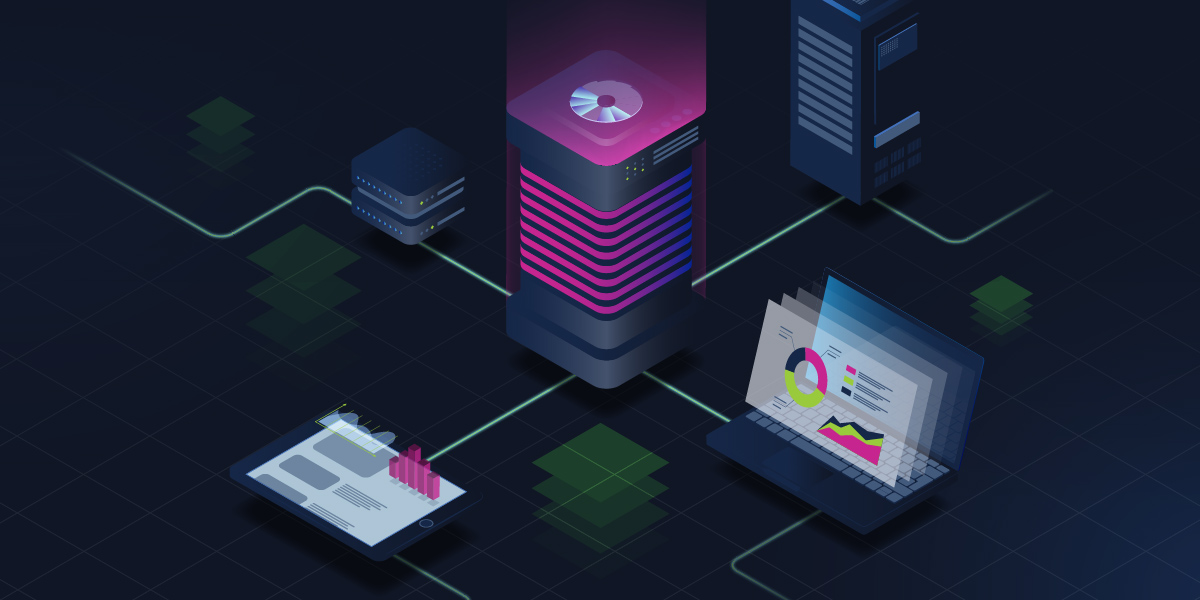
Automation is another factor fueling the adoption of blockchain in business solutions. Smart contracts are self-executing agreements encoded on blockchain networks. They automatically enforce rules and execute actions when predetermined conditions are met.
This capability offers businesses several benefits:
- Reduced operational overhead
- Faster processing times
- Minimized human error
- Enhanced trust across transactions
From insurance claims to procurement processes, smart contracts streamline operations and promote seamless integration across complex business systems.
Trade-Offs and Challenges in Implementation
Despite its advantages, adopting blockchain technology comes with trade-offs. Implementing blockchain systems can be complex, requiring significant technical expertise and financial investment. Organizations must evaluate whether the benefits justify the resources required.
Scalability is another challenge. Traditional blockchain networks may struggle to process large transaction volumes quickly, which can affect industries with heavy data requirements. Although newer blockchain models aim to address these limitations, businesses must still consider performance when choosing a suitable solution.
Regulatory compliance presents additional challenges. Many governments are still developing blockchain standards, and organizations must ensure their systems align with evolving legal frameworks. Integrating blockchain with legacy systems can also be difficult, requiring careful planning and strategic investment.
Blockchain in Financial Services
The financial sector remains one of the most active adopters of blockchain technology. Blockchain offers faster payments, reduced costs, and improved security. Banks use blockchain to improve cross-border payments, streamline settlement processes, and verify customer identities.
Additionally, blockchain reduces the likelihood of fraud by providing immutable transaction records. Financial institutions increasingly explore tokenization, which involves converting assets into digital tokens tradable on blockchain networks. This innovation expands liquidity opportunities and enhances accessibility for investors.
Blockchain in Supply Chain Management
Supply chain networks often involve numerous intermediaries, each contributing to potential delays and inaccuracies. Blockchain simplifies these processes by offering a single source of truth for all participants.
Businesses can track materials throughout production and distribution, ensuring transparency. This capability enhances quality control, reduces counterfeit products, and strengthens relationships between suppliers and customers.
Major industries—from automotive to consumer goods—are leveraging blockchain to ensure efficiency and build resilient supply chains capable of adapting to global disruptions.
Blockchain in Healthcare Systems
Healthcare is another sector benefiting from blockchain in business solutions. Medical records are often fragmented across various platforms, creating inefficiencies and potential security risks. Blockchain enables secure sharing of patient data across authorized parties while maintaining full privacy compliance.
Furthermore, blockchain helps in verifying drug authenticity. Counterfeit medications pose serious risks, and blockchain’s traceability provides a dependable method for confirming product legitimacy.
Blockchain for Identity Verification
Identity management is essential across banking, e-commerce, government services, and more. Traditional methods often rely on centralized databases vulnerable to cyberattacks.
Blockchain offers decentralized identity verification, enabling individuals to control their own digital identities. This approach enhances privacy and security while reducing administrative complexity for organizations.
Cost Reduction and Operational Efficiency
By eliminating intermediaries and streamlining processes, blockchain can significantly reduce operational costs. Businesses no longer need to invest heavily in reconciliation, auditing, or manual data verification.
Automation through smart contracts further enhances efficiency by minimizing delays. This improvement helps organizations allocate resources more effectively and focus on innovation.
Environmental and Sustainability Considerations
While blockchain has many benefits, its environmental impact—especially from energy-intensive consensus mechanisms—remains a concern. However, newer models like Proof-of-Stake have significantly reduced energy consumption.
Organizations adopting blockchain solutions must balance sustainability goals with performance needs. Choosing the right blockchain protocol is essential to achieving both efficiency and environmental responsibility.
Looking Ahead: The Future of Blockchain in Business Solutions
As digital innovation accelerates, the future of blockchain in business solutions looks promising. Emerging trends indicate wider adoption across industries, improved interoperability between blockchain networks, and increased integration with AI and IoT technologies.
Businesses will likely use blockchain to create more intelligent, connected ecosystems that support real-time data exchange. Enhanced regulatory clarity and industry standards will further drive adoption, enabling companies to scale their blockchain initiatives with confidence.
Conclusion
Blockchain in business solutions represents a transformative shift in how organizations manage data, collaborate, and build trust. Its ability to enhance transparency, security, and efficiency makes it invaluable in today’s digital economy. Despite challenges related to scalability, regulatory uncertainty, and integration complexity, the advantages of blockchain outweigh the limitations for many industries.
Organizations that adopt blockchain strategically can unlock powerful capabilities, streamline operations, and build resilient digital infrastructures. As businesses continue exploring digital innovation, blockchain will remain a critical technology shaping the future of global commerce.