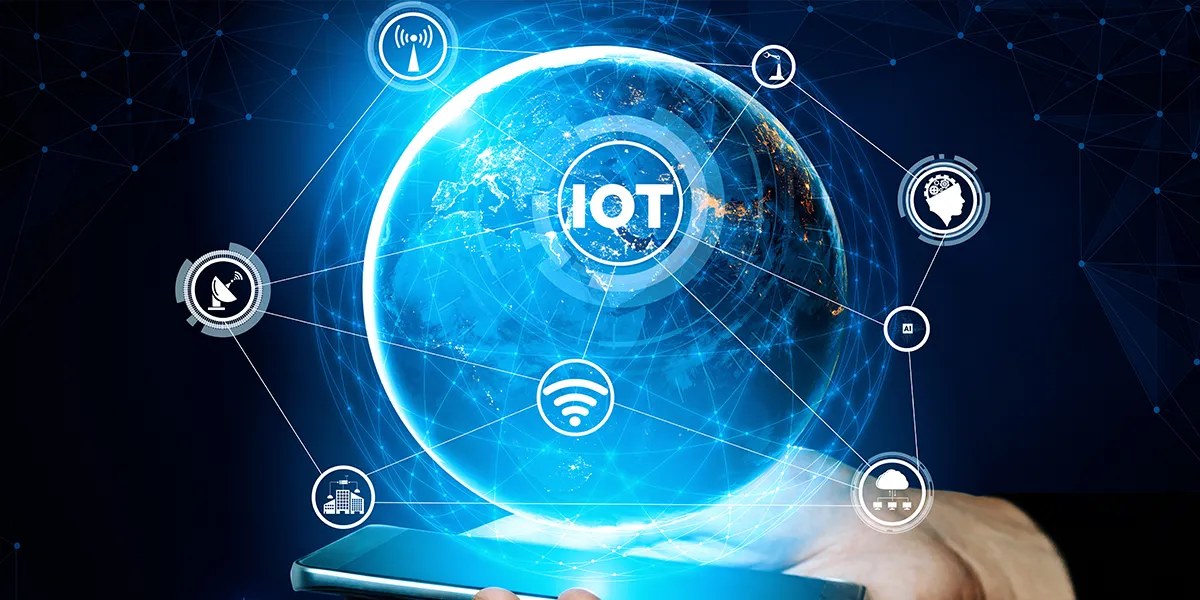
Internet of Things (IoT) platforms are becoming a foundational element of digital innovation, driving smarter operations across industries and transforming the way businesses collect, analyze, and utilize data. As organizations modernize their digital infrastructure, Internet of Things (IoT) platforms play a critical role in creating connected ecosystems that streamline workflows, enhance productivity, and unlock new business models. In this first paragraph, it is important to highlight how Internet of Things (IoT) platforms serve as the central nervous system of connected environments, enabling companies to interpret data from devices, sensors, and machines in real time. Their importance continues to expand as digital transformation accelerates worldwide.
In the second paragraph, Internet of Things (IoT) platforms demonstrate their value by providing the tools organizations need to integrate diverse devices into unified, scalable systems. These platforms help businesses simplify device management, automate processes, and gain actionable insights across operations. As more industries adopt Internet of Things (IoT) platforms to strengthen digital capabilities, they are reshaping business decision-making and operational performance. Whether in manufacturing, healthcare, retail, or transportation, the ability to analyze real-time data allows companies to respond rapidly to changing conditions and improve outcomes.
In the third paragraph, the rise of Internet of Things (IoT) platforms reflects a broader shift toward data-driven environments where every device—from industrial machinery to home appliances—contributes to a larger digital ecosystem. IoT platforms are essential for connecting these devices, enabling communication, and providing the analytical power to interpret the information they generate. For businesses, adopting Internet of Things (IoT) platforms often means gaining access to predictive insights, improved process visibility, and enhanced operational agility. Understanding their capabilities and limitations is essential for companies aiming to lead in a digitally connected future.
Understanding Internet of Things (IoT) Platforms
Internet of Things (IoT) platforms act as middleware that bridge the gap between devices and data applications. They enable organizations to manage hardware, gather information, process data, and build automated systems that operate seamlessly across networks. An IoT platform integrates communication protocols, analytics engines, security frameworks, and device management features into a single environment.
These platforms serve various roles depending on the business context. For some companies, IoT platforms gather sensor data to monitor equipment performance. For others, they power consumer-facing applications, such as smart home systems. Regardless of the scenario, the fundamental purpose of Internet of Things (IoT) platforms is to convert raw device data into meaningful insights that help organizations make informed decisions.
How IoT Platforms Work Within Digital Ecosystems
The functionality of Internet of Things (IoT) platforms is supported by several core components, including device connectivity modules, cloud integration, edge computing tools, analytics dashboards, and security solutions. These components work together to ensure that connected devices communicate efficiently and securely.
When a device sends data, the IoT platform captures it through secure communication protocols. The data can then be processed in real time using edge computing—ideal for time-sensitive operations—or transmitted to cloud environments for advanced analytics. Once processed, the information is displayed on dashboards or integrated into enterprise applications, enabling businesses to monitor assets, trigger alerts, or automate decisions.
IoT platforms also streamline firmware updates, device authentication, and identity management. These capabilities ensure that large-scale deployments remain stable, consistent, and secure over time.
Benefits of Internet of Things (IoT) Platforms
Internet of Things (IoT) platforms bring substantial advantages to organizations pursuing digital efficiency and innovation. One of the most significant benefits is enhanced operational visibility. Businesses gain access to real-time data from across their assets, allowing them to identify performance issues, track usage, and reduce downtime.
IoT platforms also improve resource utilization. By analyzing sensor data, companies can optimize energy consumption, reduce waste, and allocate resources more efficiently. This is particularly valuable in industries such as manufacturing, logistics, and facility management.
Another benefit is automation. IoT platforms enable rule-based actions, such as shutting down equipment when temperatures exceed safe thresholds or sending alerts when anomalies are detected. Automated responses lead to faster decision-making, improved safety, and consistent workflow execution.
Additionally, IoT platforms support scalability. As businesses grow, they can easily add more devices without disrupting existing systems. Cloud-based IoT platforms, in particular, offer nearly unlimited scalability for large deployments.
Tradeoffs and Considerations When Implementing IoT Platforms
While Internet of Things (IoT) platforms offer many benefits, implementing them requires balancing several tradeoffs. The first consideration is cost. High-quality IoT platforms—especially those designed for industrial use—can involve significant expenses, including hardware, software licenses, integration services, and cybersecurity investments. Organizations must weigh these costs against the expected long-term value.
Another tradeoff involves data complexity. IoT deployments generate massive volumes of data, and without the right analytics tools, companies may struggle to extract meaningful insights. Choosing an IoT platform with advanced analytics capabilities is essential for maximizing value.
Security is another major concern. Because IoT devices often serve as entry points into network environments, they present vulnerability risks. Businesses must ensure that their IoT platforms include strong authentication, encrypted communication, and continuous monitoring to protect against cyber threats.
Lastly, integration complexity can be a tradeoff. Many businesses use legacy systems that are not immediately compatible with modern IoT solutions. Integrating these systems requires planning, technical expertise, and sometimes full digital infrastructure upgrades.
Challenges Associated With IoT Platform Deployment

Deploying Internet of Things (IoT) platforms comes with several technical and organizational challenges. One of the most common obstacles is interoperability. Devices from different manufacturers often use varied protocols and standards, making it difficult to create a unified system. IoT platforms must support multiple protocols to accommodate diverse device ecosystems.
Scalability challenges also arise as deployments grow. Managing thousands—or millions—of devices requires robust infrastructure, reliable connectivity, and efficient data management tools. Without careful planning, system performance can degrade over time.
Data security presents another challenge. As IoT systems handle sensitive information related to operations, locations, and user activity, protecting this data becomes critical. Ensuring secure device onboarding, strong encryption, and continuous monitoring is essential.
Organizational resistance can also slow adoption. Employees may need training to understand new workflows, while decision-makers may struggle to justify the investment. Overcoming these barriers requires strong change management strategies and clear communication about the value IoT platforms bring.
Industry Applications of IoT Platforms
Internet of Things (IoT) platforms have broad applicability across industries. In manufacturing, they power smart factories by monitoring machine performance, predicting maintenance needs, and optimizing production lines. IoT-enabled predictive maintenance reduces downtime and extends equipment lifespan.
In healthcare, IoT platforms support remote patient monitoring, medical device tracking, and real-time diagnostics. These capabilities improve patient outcomes while reducing operational costs.
Retailers use IoT platforms to manage inventory, track foot traffic, and personalize customer experiences. Connected shelves and sensors help stores maintain accurate stock levels and reduce waste.
In transportation and logistics, IoT platforms enhance fleet management, optimize delivery routes, and track cargo conditions. These insights improve reliability and reduce fuel consumption.
Smart cities also rely heavily on IoT platforms. They manage traffic flows, monitor air quality, optimize energy usage, and enhance public safety. These applications demonstrate how IoT technology contributes to sustainable urban development.
The Role of Edge Computing in IoT Platforms
Edge computing is becoming increasingly important in the evolution of Internet of Things (IoT) platforms. Instead of sending all data to the cloud, edge computing processes information near the source—such as within a device or gateway. This reduces latency, bandwidth usage, and response times.
In environments where seconds matter—such as manufacturing floors or autonomous systems—edge-enabled IoT platforms improve efficiency and reliability. They enable faster decision-making, even when connectivity to the cloud is limited.
Edge computing also enhances data privacy. Sensitive information can be processed locally, minimizing exposure to external networks.
Security Considerations for IoT Platforms
Because IoT ecosystems consist of numerous connected devices, security must be a top priority. Internet of Things (IoT) platforms require strong security frameworks capable of protecting device identities, securing communication channels, and ensuring data integrity.
Organizations should adopt multi-layered security strategies that include device authentication, biometric access controls, secure firmware updates, and continuous monitoring for anomalies. Implementing network segmentation also helps isolate IoT devices from other corporate systems.
Cybersecurity is not a one-time task; it requires ongoing updates, risk assessments, and penetration testing. With the growth of cyber threats, robust security practices are essential for building trust and protecting business operations.
Data Analytics and Insights in IoT Platforms
One of the most powerful aspects of Internet of Things (IoT) platforms is their ability to generate actionable insights. Raw sensor data becomes meaningful when processed through analytics engines, machine learning models, and visualization tools.
Predictive analytics help businesses anticipate equipment failures, forecast demand, and optimize operations. Real-time dashboards give teams visibility into performance trends, operational bottlenecks, and system anomalies.
Some IoT platforms also use AI-driven recommendations to automate decision-making. For example, the system might adjust energy usage based on environmental conditions or change production schedules to reduce bottlenecks.
The Future of Internet of Things (IoT) Platforms
The future of IoT platforms is driven by advancements in artificial intelligence, 5G connectivity, blockchain, and automation. AI will play a major role in improving device intelligence, enabling systems to learn from data and improve over time. With the expansion of 5G networks, IoT platforms will support larger deployments with faster communication and lower latency.
Blockchain technology may also contribute to IoT security by creating transparent, tamper-proof records of device interactions. This can enhance trust across supply chains and complex ecosystems.
As IoT platforms become more advanced, they will enable fully autonomous operations in factories, smart cities, and transportation systems. Businesses leveraging these innovations will have a competitive advantage in efficiency, innovation, and service delivery.
Conclusion
Internet of Things (IoT) platforms are essential to the future of digital innovation, enabling businesses to create connected environments that enhance productivity, automation, and decision-making. While adopting IoT platforms comes with challenges—such as cost, integration complexity, and security concerns—the long-term benefits far outweigh the tradeoffs.
These platforms empower organizations to unlock real-time insights, reduce downtime, streamline operations, and improve customer experiences. As technology evolves, IoT platforms will continue to play an increasingly significant role in building smarter, more resilient, and more connected businesses.