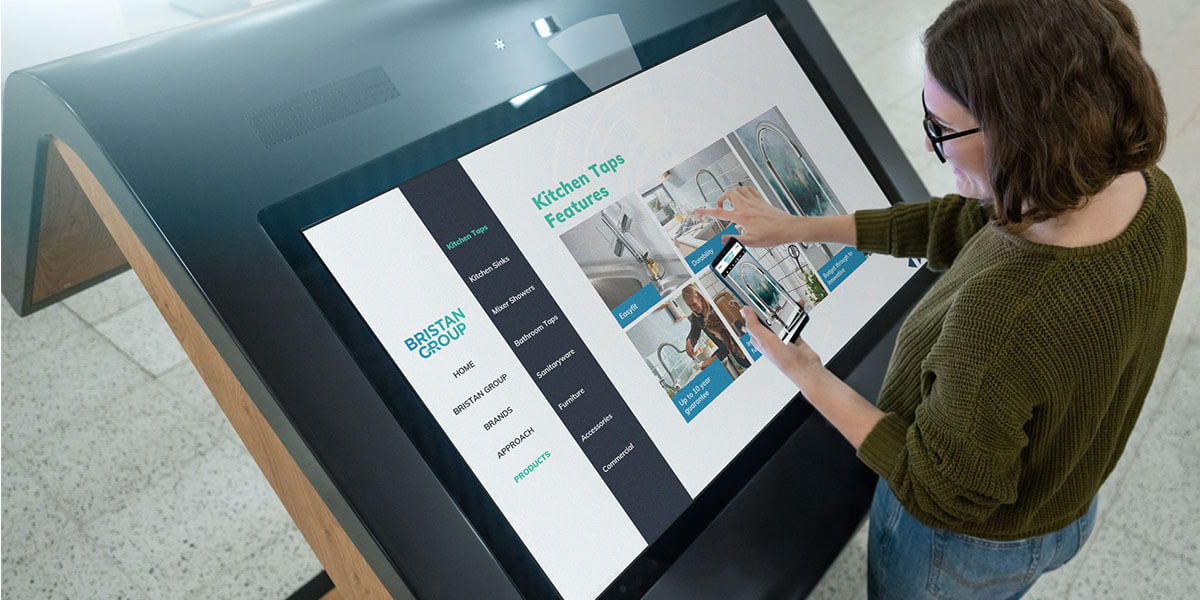
In today’s competitive sales environment, interactive product demos have become a critical tool for engaging buyers and accelerating the sales cycle. Unlike static presentations or traditional demonstrations, interactive demos allow potential customers to explore products firsthand, test features, and gain a deeper understanding of their value. By offering a hands-on experience, sales teams can effectively address buyer questions, overcome objections, and create memorable experiences that drive purchasing decisions.
The use of interactive product demos is rapidly increasing as companies recognize the importance of engaging buyers in meaningful ways. Modern buyers expect more than just passive content—they want to interact with products before committing to a purchase. Interactive demos provide an immersive experience that highlights key functionalities, demonstrates usability, and showcases solutions tailored to specific customer needs. This level of engagement can significantly improve conversion rates and shorten the sales cycle, making it a strategic advantage for forward-thinking sales organizations.
Moreover, interactive product demos serve as an effective bridge between marketing and sales teams. Marketing efforts generate interest, but sales representatives need tools to translate that interest into action. Interactive demos equip reps with the ability to demonstrate value in real-time, guide potential customers through complex solutions, and address concerns immediately. This results in more informed buyers, reduced hesitation, and stronger confidence in purchasing decisions.
Understanding Interactive Product Demos
Interactive product demos are digital or physical presentations that allow prospects to engage with a product in a dynamic way. They can include live software walkthroughs, virtual product simulations, augmented reality experiences, or interactive online platforms that respond to user input. The key feature of interactive demos is their ability to make the prospect an active participant rather than a passive observer.
These demos are particularly valuable for complex products or solutions that require hands-on understanding to fully appreciate. By allowing potential buyers to explore features, customize configurations, and see immediate results, interactive demos reduce ambiguity and build trust. They also provide measurable engagement data, helping sales teams identify which features resonate most and which areas may require further explanation.
Benefits of Interactive Product Demos
Implementing interactive product demos offers numerous benefits that can transform the sales process:
- Enhanced Buyer Engagement: Prospects are more likely to remember and appreciate products they have interacted with directly.
- Shortened Sales Cycles: Interactive demos can quickly address buyer questions and objections, accelerating decision-making.
- Improved Conversion Rates: Buyers who actively engage with a product are more confident in their purchase, resulting in higher conversion rates.
- Reduced Miscommunication: By demonstrating functionality firsthand, sales teams minimize misunderstandings about product capabilities.
- Data-Driven Insights: Interactive demos capture usage patterns and preferences, providing valuable analytics for refining sales strategies.
These advantages illustrate why interactive demos are not just a nice-to-have tool but an essential component of modern sales enablement strategies.
Features to Consider in Interactive Product Demos
When selecting or developing interactive product demos, several features can maximize their effectiveness:
- Customizable Experiences: Tailoring the demo to individual buyer needs improves relevance and engagement.
- Real-Time Interaction: Features that allow live adjustments, scenario testing, or simulations create a more immersive experience.
- Multi-Platform Accessibility: Prospects should be able to access demos via web, mobile, or VR platforms depending on the product.
- Integrated Analytics: Tracking interactions helps sales teams understand buyer behavior and preferences.
- Guided Support: Including prompts, tutorials, or virtual sales assistants ensures prospects can navigate the demo without confusion.
- Collaboration Tools: Sharing demos among team members or with multiple stakeholders ensures alignment and collective decision-making.
Focusing on these features ensures that interactive demos deliver a superior experience that educates, engages, and converts potential customers.
The Role in Sales Enablement
Interactive product demos play a pivotal role in modern sales enablement by providing tools that empower sales representatives to engage buyers more effectively. Traditional sales presentations are often passive and limited in scope, while interactive demos create a participatory environment where prospects can explore solutions at their own pace.
For sales teams, these demos reduce the need for lengthy explanations, repetitive conversations, and extensive follow-ups. By providing a hands-on experience, reps can focus on guiding discussions, addressing specific buyer pain points, and emphasizing value propositions. The result is a more consultative sales approach that positions the company as a trusted partner rather than just a vendor.
Balancing Technology and Human Interaction

While interactive product demos are highly effective, balancing technology with human interaction is critical. Automation and interactive platforms provide efficiency and scalability, but human insight ensures that demos are tailored, persuasive, and contextually relevant.
Sales representatives must guide prospects through the demo, highlighting features that align with their unique business challenges. Additionally, reps can observe user behavior during the demo, provide clarification, and answer questions in real-time—something that a purely automated demo cannot achieve. Combining human expertise with interactive technology ensures that buyers receive a compelling and personalized experience.
Challenges in Implementing Interactive Demos
Despite their benefits, implementing interactive product demos can present several challenges:
- Technical Complexity: Developing and maintaining interactive demos, especially for sophisticated products, can require substantial resources.
- Content Updates: Regular updates are needed to reflect new features, pricing, or solutions. Failure to update demos can lead to misinformation.
- Integration with CRM Systems: Ensuring demo analytics are captured and linked to buyer profiles can be technically challenging.
- User Accessibility: Some prospects may face difficulties accessing or navigating demos, requiring additional support or simplified interfaces.
- Cost Considerations: High-quality interactive demos, particularly AR or VR-based experiences, can involve significant investment.
Addressing these challenges requires strategic planning, resource allocation, and continuous evaluation to ensure demos remain effective and relevant.
Best Practices for Interactive Product Demos
To maximize the effectiveness of interactive product demos, organizations should follow best practices:
- Define Objectives: Clearly outline the purpose of the demo—whether it’s to educate, engage, or close a deal.
- Customize for the Audience: Tailor demos based on industry, company size, and prospect needs.
- Integrate Analytics: Use data to understand engagement levels, track feature interactions, and optimize future demos.
- Train Sales Teams: Ensure reps are proficient in guiding prospects through demos and highlighting key selling points.
- Keep It Simple: Avoid overwhelming prospects with excessive features or complex navigation. Focus on the most impactful aspects.
- Follow Up Effectively: Use insights from demo interactions to provide targeted follow-ups, answer questions, and reinforce value.
These practices help ensure that interactive demos deliver maximum value to both sales teams and prospects, ultimately supporting business growth.
Industry Applications of Interactive Product Demos
Interactive product demos are widely applicable across various industries, offering unique benefits depending on the sales context:
- Software and SaaS: Demonstrating functionality, workflows, and integrations in a simulated environment helps prospects visualize real-world application.
- Healthcare and Medical Devices: Virtual demos allow buyers to explore product features safely, especially for complex medical equipment.
- Manufacturing and Industrial Equipment: Interactive simulations enable users to test configurations, features, and performance in a controlled environment.
- Retail and Consumer Goods: AR-based demos allow buyers to virtually “try” products, enhancing engagement and reducing purchase hesitation.
- Education and E-Learning: Interactive demos showcase learning platforms and course features, helping institutions evaluate suitability.
These examples illustrate the versatility of interactive demos and their ability to adapt to diverse business needs and buyer preferences.
Measuring the Impact
Evaluating the effectiveness of interactive product demos is crucial for optimizing sales performance. Key metrics include:
- Engagement Rate: Measuring the extent to which prospects interact with the demo content.
- Demo Completion Rate: Tracking how many users fully explore the demo experience.
- Conversion Rate: Assessing the impact of demos on sales and purchase decisions.
- Feature Interaction: Identifying which product features capture the most attention and drive interest.
- Sales Cycle Duration: Determining whether demos reduce the time from initial contact to deal closure.
By tracking these metrics, organizations can refine demos, improve engagement, and maximize ROI from their interactive sales strategies.
Future Trends in Interactive Product Demos
The future of interactive product demos is closely tied to emerging technologies and buyer expectations. Some notable trends include:
- Virtual Reality (VR) and Augmented Reality (AR): Immersive experiences that allow prospects to interact with products in a lifelike virtual environment.
- AI-Powered Personalization: Tailoring demos dynamically based on prospect behavior, preferences, and engagement patterns.
- Collaborative Demos: Enabling multiple stakeholders to interact with demos simultaneously, supporting enterprise-level decision-making.
- Gamification: Incorporating game-like elements to increase engagement, learning, and retention.
- Mobile-First Experiences: Ensuring demos are optimized for tablets and smartphones to meet buyers’ increasingly mobile expectations.
These innovations are expected to further enhance the impact of interactive product demos, making them an indispensable tool for modern sales teams.
Conclusion
In conclusion, interactive product demos are a powerful sales enablement tool that can significantly improve buyer engagement, shorten sales cycles, and increase conversion rates. By allowing prospects to explore products hands-on, address questions in real-time, and experience solutions tailored to their needs, interactive demos create a more compelling and persuasive sales experience.
While implementing interactive demos can involve challenges such as technical complexity, content updates, and integration issues, following best practices and balancing technology with human interaction ensures maximum effectiveness. Organizations that leverage interactive demos strategically, integrate analytics, and continuously refine the experience are best positioned to close more deals and drive sustainable business growth.
Investing in interactive product demos is not just a way to showcase products—it’s a strategic approach to enhancing sales performance, building stronger relationships with buyers, and creating a competitive advantage in a rapidly evolving market.